Ecosomatic practices for living and dying


May 31 – June 6 


Life is made possible “through the long-lasting intimacy of strangers,” and our many “multi-species entanglements” – biologist Lynn Margulis


This workshop is an opportunity to center yourself and reawaken your innate capacity for connection with what is going on inside and around you. 

We will engage with ecosomatic practices for living and dying together on a damaged earth. Ecosomatics is a dynamic approach to living and learning which engages us through embodied practice into deeper relations with the world in which we live.

Together we will practice breathing, moving, sensing, perceiving, digesting, dying, and decomposing to help us perceive more of our living and the whole scale of the sensitivities and intelligences within us, the human and non-human, the transforming spaces, the before and after. Together, we will deepen our skills to listen, improvise, play, experiment,  grieve, dwell in the unknown, and trust the deep resources of our bodies to navigate challenge, sustain ourselves, and thrive.

Ecosomatics helps us understand that we are not only organisms hosted by a planet but that we are also a planet hosting many other organisms. The biodiversity of these planets ecosystems is what makes life possible and extraordinary.

Through somatic practice we can engage with scientific concepts building bridges between ideas and lived experience. This allows us to generate different kinds of being, feeling, understanding, and thinking which can generate new ways of relating, behaving, and giving value to the more than human world.

This workshop is for anyone and everybody interested in movement, our ecological bodies and consciousness regardless of experience or ability.


BodyCartography Project is an artistic practice that “cultivates approaches to support our collective evolution in this moment of planetary crisis,” engaging “the vital materiality of bodies, minds, and the more-than-human world through somatics, dance, choreography, and performance.” 

Founded by Olive Bieringa and Otto Ramstad, the project brings together decades of experience in dance, improvisation, Body-Mind Centering®, pedagogy, and site-responsive work across performance, education, and research contexts.

Their facilitation is grounded in developmental, biological, and ecological systems perspectives, combining Body-Mind Centering® with ecology, biology, and geology, through an embodied improvisational approach that emphasizes awareness, lived experience, and relational inquiry. 


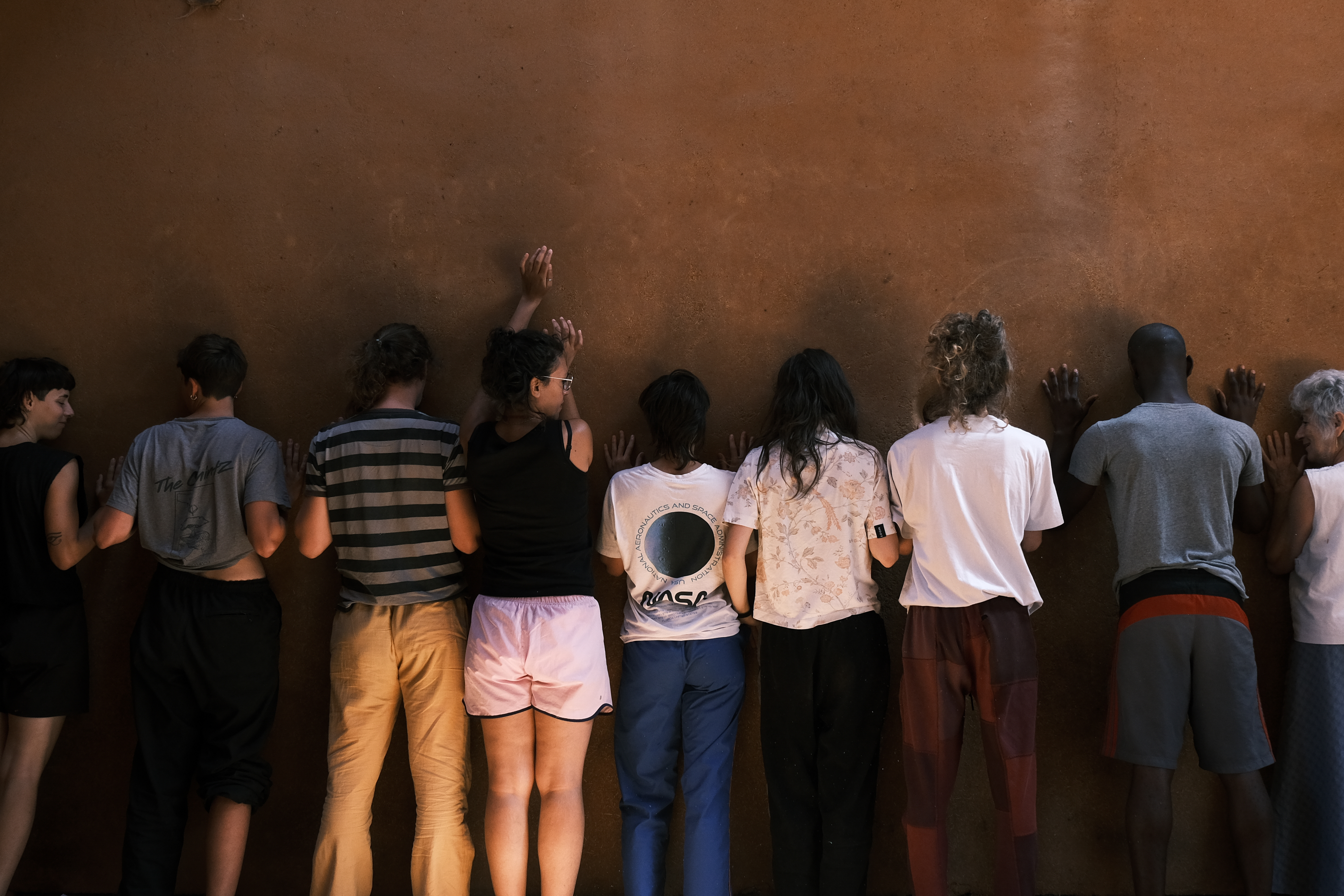
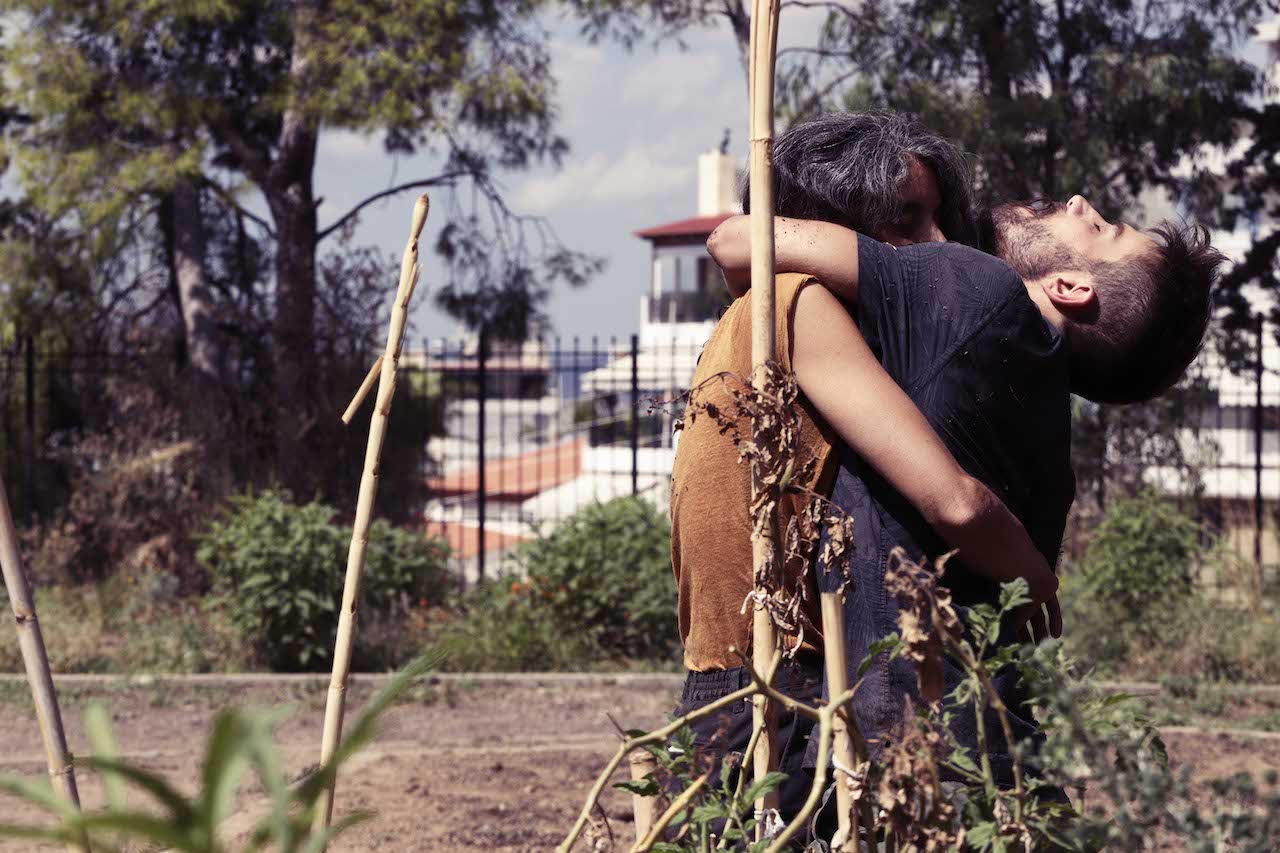
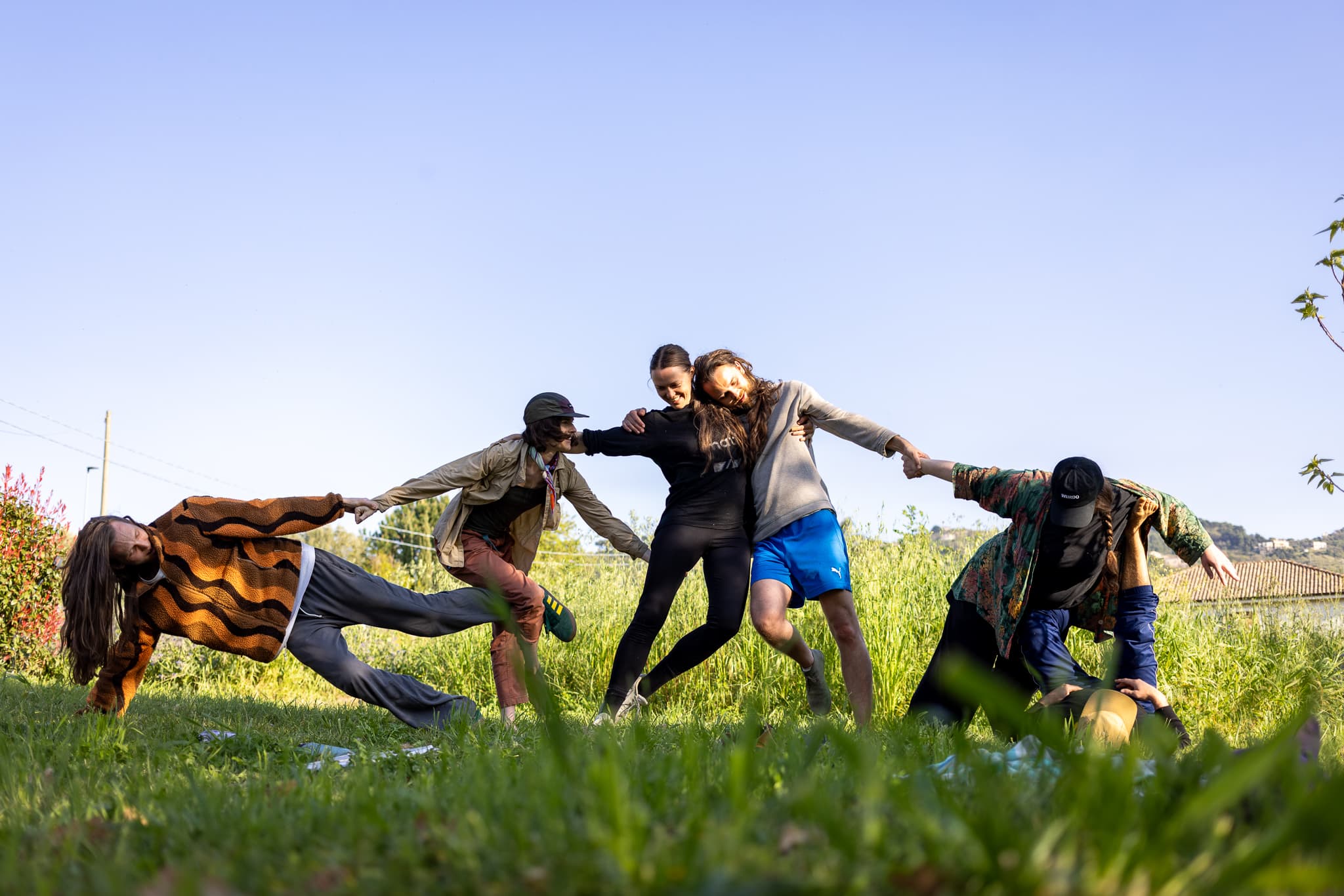
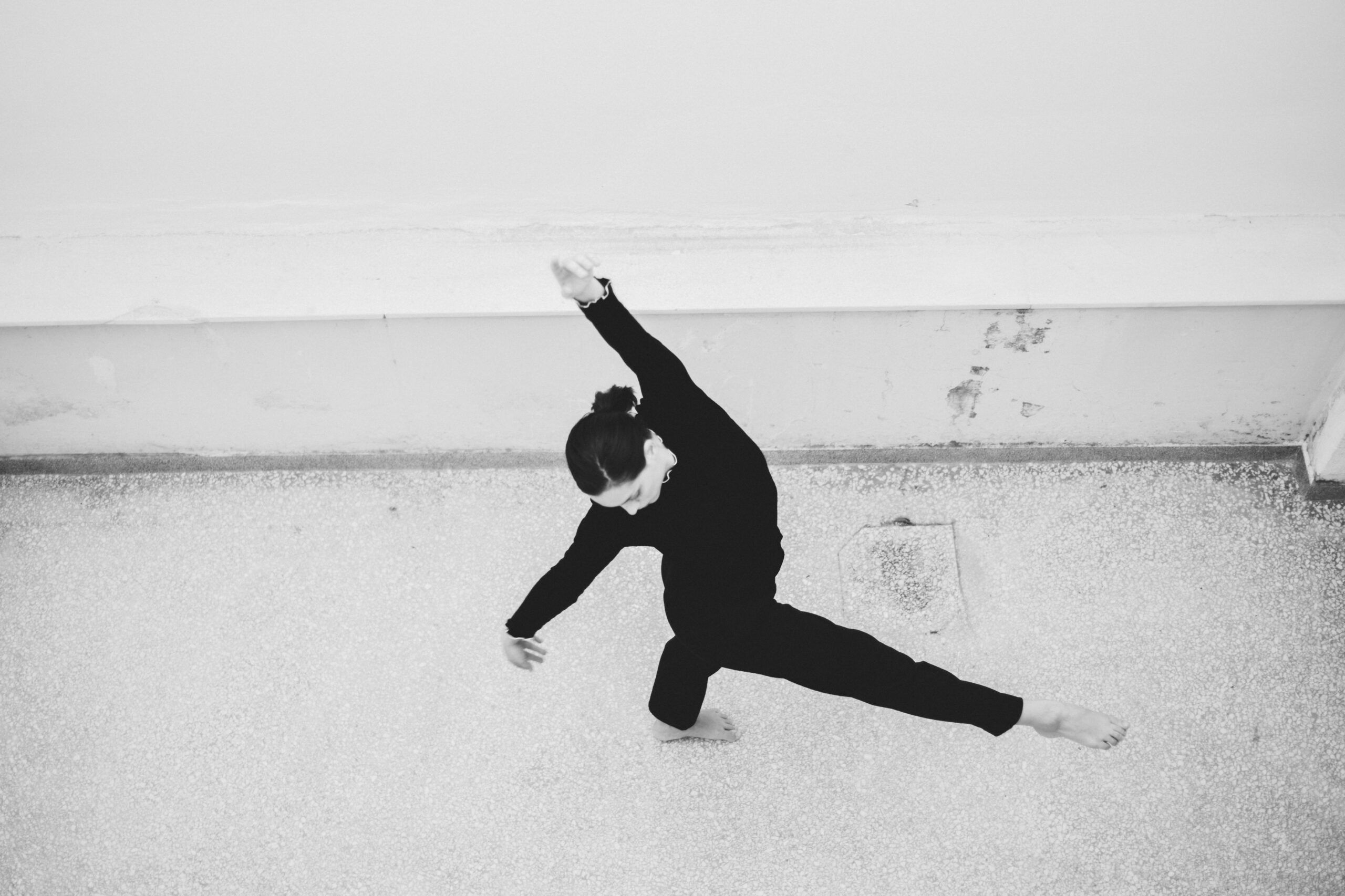
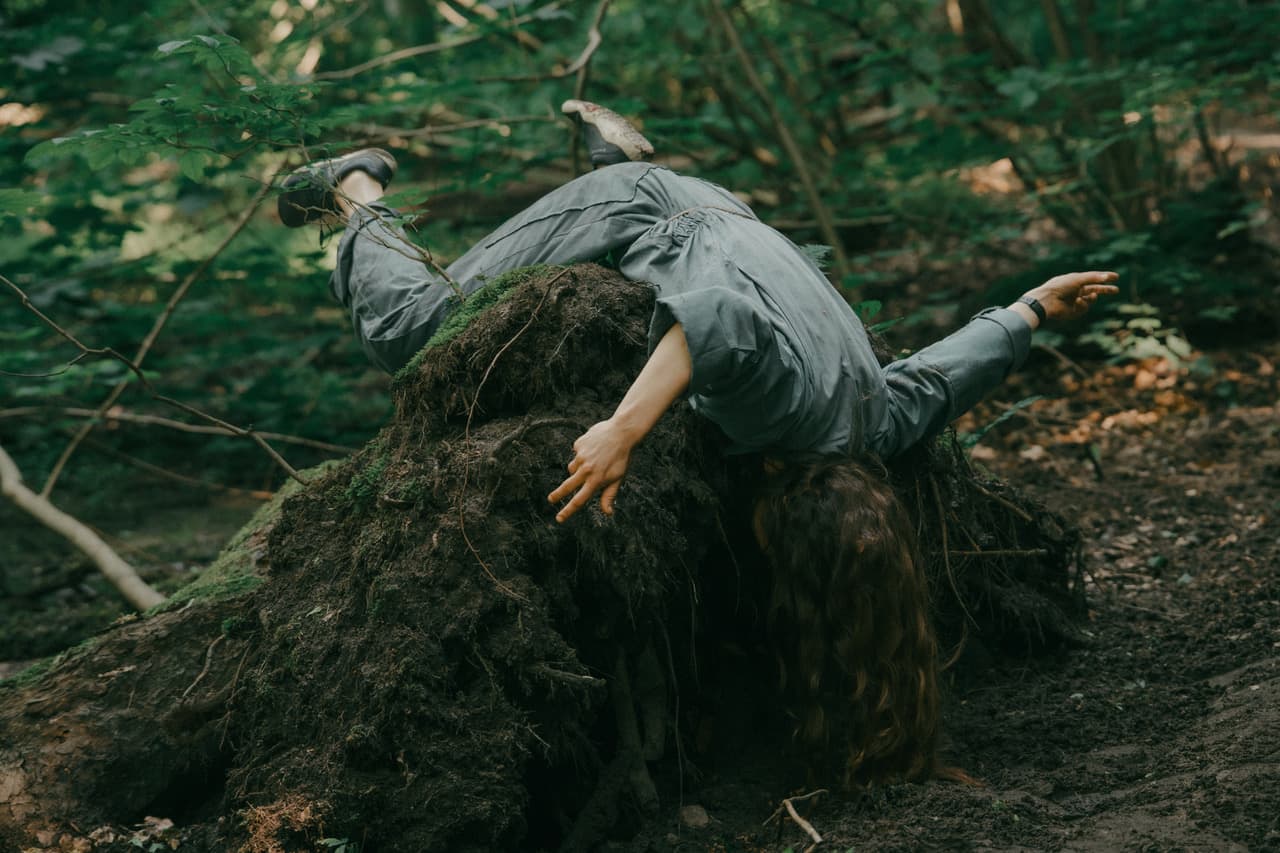
Photos of BodyCartography’s Resisting Extinction by Piotr Nykowski

The Loss Lab: Embodied Research in a Damaged World


May 10 – May 16


“…the void is not empty

we know that, don’t we?

to love a dead person is perhaps

the art of inhabiting the void —

inventing gestures that connect us,

we the living, in gratitude.”

— Laurence Vielle, Ancestors


To respond to the depopulation of the world, we choose to repopulate our imaginations. In an openly political and ecological approach, we engage the body in a search for the right ways to connect with the disappearances and the precariousness of our time.

We use the art of movement to form a different relationship with words and concepts: to let the flesh read and listen, and to allow the organs to think. Through dance, we explore how the body can sense, question, and reimagine the oppressions and crises that shape our world. This is a pre-verbal poetry, an embodied affirmation of life; this is a dance with intimate generosity that questions our convictions in favor of a more-than-human ethic.

With tact and care, we extend our bodies toward other forms of presence: listening to what usually cannot speak and addressing those we might think do not hear—minerals, ancestors. The work is one of resonance and reciprocity, a continuous effort to listen, be affected, and transform through encounter.

Drawing from Butoh, eco-somatic practices, anthropology, and poetry, we explore how imagination leads us in search of a conscious and creative sensibility. We play in the liminal zones of performance and ritual, opening extended scores that invite deeper reflection on how we relate to our environment and to the invisible dimensions of life.

This practice invites participants to explore improvisation and composition as ways of reorganizing perception. Together, we move toward the unknown, forming temporary alliances between bodies, invisible entities, space, and time.

Dance becomes a political and poetic gesture—an act of attention and imagination that reclaims our capacity to feel. Improvisation calls for a political and irrational attempt to perceive and re-discuss our ecologies and affects.


Through The Loss Lab, participants will explore how dance can serve as a tool for reflection, connection, and ecological awareness. The workshop offers an embodied learning process where movement becomes a way to think, sense, and imagine otherwise.

Participants will learn to engage with the precariousness of our time through somatic attention, improvisation, and collective inquiry. They will practice care and imagination as embodied skills, discovering how tenderness, presence, and curiosity can sustain creative and relational resilience.

By engaging with more-than-human perspectives, participants will develop sensitivity to interdependence and learn to navigate uncertainty through creative and affective tools. Rather than seeking fixed outcomes, The Loss Lab cultivates the ability to move with loss, transforming vulnerability into a source of connection, awareness, and artistic research.


REVERSED DANCES is a collaboration of two artists, Franziska Gerth and Lily Pasquali, blending dance and philosophy to respond to today’s crises. Their practice distorts norms, surfaces hidden emotions, and challenges boundaries of space and time. Rooted in care and radical tenderness, they explore socio-ecological issues to open paths for new sensitivities. Combining ecological and political awareness, they use movement and improvisation to nurture compassion, solidarity, and connection beyond human limits.

They offer a socio-poetic methodology that blends eco-somatic practices, dance improvisation, consent work, meditation, imagination work, rituals, philosophical reflection, and collective inquiry. Through this interdisciplinary lens, they approach embodied practice as a living inquiry — a way of listening, sensing, and transforming together. Movement becomes a medium for sensing the world otherwise, where care, uncertainty, and imagination open new possibilities for being in relation.


Fieldwork scores


May 3 – May 9


“Thinking-with should always be a living-with, aware that relations of significant otherness transform those who relate and the worlds they live in.”

— Maria Puig de la Bellacasa


The Fieldwork Scores workshop focuses on the relationship between humans and the world of plants.

The scores devise relationships between the twelve principles of permaculture (a system for designing regenerative ecosystems) and the twelve systems of the human body (circulatory, nervous, muscular, etc.) in order to practice different perspectives of interacting. The scores invite us to move and think in the presence of plants, and because of their presence.

They aim to cultivate a kind of intimacy with certain plants, which is not necessarily related to empathy or to a horizontal correlation between their lives and ours, but rather to the intimacy of creating a temporary community.

We prepare for our practice with Feldenkrais Method lessons—sharpening our sensitivity and perception, opening new paths of movement—and apply its principles as a driving force for the deep curiosity needed for encountering other bodies; questions that do not require answers; and visible or invisible dances and choreographies that we are already co-creating with other organisms.

The activation of scores addresses the body, the senses, dance, and the movement of attention and thought—that is, the primary fields of experience of our connection with the world, nature, and other species. We then explore ways of capturing and recording our embodied experiences, forming a collective archive through which to reflect on our relationships with the rather unfamiliar Others who often surround us: plants.


Mariela Nestora works within the field of dance and performance as choreographer, researcher, co-curator and mentor and is based in Athens, Greece. Mariela’s artistic work is motivated by experimentation and collaboration in a world marked by ongoing, multiple crises. Dance and choreography are her ways of processing, reflecting on, and relating to the world. She is also a teacher and practitioner of the Feldenkrais Method and integrates its knowledge of human movement and the nervous system into her dance and choreography practice.


Rewilding Play


May 3 – May 9


This practice has the potential to shift internal narratives from human exceptionalism toward a felt understanding of interconnectedness with the more-than-human world.”


This eco-somatic movement workshop takes place outdoors, where we will work with breathing, movement, touch, stillness, witnessing, and reflecting through words and images. Through this embodied play, we will discover how slowing down and bringing awareness to sensory experiences can help us find new ways of connecting to ourselves, others, and the world.

During our time together, we will experiment with “Rewilding Play.” This practice offers a range of improvisation scores (sets of guidance) that allow us to co-create immersive outdoor movement experiences in dialogue with the surrounding environment. Permission to cultivate lively curiosity and play freely allows the mover to follow their instincts during improvisation, creating an experience that brings attention to sensory feedback and opens up embodied awareness of an extended web of interrelationship with the “more-than-human.”

Collectively, we will establish a “field of play,” within which we look for the invitations offered by the other players -including flora, fauna, elements, terrain, and weather -and choose particular actions that respond to the felt invitation. We will explore: removing or amplifying different senses // framing and guiding the gaze // bending time through shortening and lengthening duration // creating micro or macro spatial constellations // orienting to the elements // integrating with the environment // mirroring environmental rhythms // connecting to life cycles // changing or disorienting perspective // inventing rituals // and more.

This collaborative practice asks: what might our role be in witnessing, celebrating, and protecting the interwoven ecological tapestry in which we play a key part? By noticing our sensory experiences, we allow ourselves to enter a receptive state of deep listening and connecting, through which we can imagine, rediscover, and begin to work toward new ways of being in the world.


Kate Sagovsky is an international artist specialising in movement, somatics, dance, & live performance. Her work facilitates embodied experiences to help people connect better to themselves, others, & the world. She works across dance, theatre, & live art as a choreographer, movement director, & director; as well as doing extensive work as a researcher, writer, teacher, & workshop facilitator. 

Kate’s facilitation is grounded in over two decades of experience teaching movement across diverse contexts and communities. Drawing from practices such as contemporary dance, actor movement, contact improvisation, Body-Mind Centering, meditation, and the Feldenkrais Method, she weaves together clear frameworks and open-ended guidance that support exploratory improvisation and embodied discovery. Her approach prioritizes accessibility, care, and structural equality, creating playful yet carefully held environments in which participants are invited to trust their own experience, contribute their unique perspectives, and engage in collective inquiry through movement.

‘Embodying’ week

The seven-week schedule includes open discussions, and time and space for personal practice and integration, allowing all information and input to settle, transform, and reveal itself in unique ways for each participant.

Every Thursday will be dedicated to reflection, research, and questioning through personal practice time and horizontal open discussions with the groups and facilitators. This time is not only a pause for individual and collective processing but also an active practice of agency and collective care, where each participant is invited to take responsibility for their own learning and shape their own practice while supporting and being supported by the group.

All of this will organically lead to the last week of the program, when participants will share the space and their time in a horizontally shared-facilitation format, allowing them to digest and integrate all the given input. This could take the form of a creation, a class or workshop, a lecture, a poem, a sharing, notes, or simply allowing things to be digested and embodied—emerging at their own pace—while reflecting, experimenting, or just existing with the group.

PILATES: mindful movement

Each morning for the second and third week, Eliane Roumié guides a Pilates-based practice integrating mindful movement, strength, and body awareness. Through a balance of structured exercises and exploratory movement, this class supports mobility, core stability, and recovery—offering a foundation for the day’s physical practice.

PILATES: mindful movement

In recent years, Eliane Roumié has become deeply involved with the Pilates method, and as an active dancer, she is eager to share the knowledge and experience she has gained in systematic body strengthening with others. In working towards her Pilates teaching certification, she conducted in-depth research and wrote a thesis titled Pilates for Improving Contemporary Dancers’ Technique. Through this research, along with her personal practice, she gained a deeper understanding of the importance of supplementary training in a dancer’s journey.

In her classes, participants have the opportunity to practice the Pilates technique, acquire fundamental theoretical knowledge on the method and body anatomy, and gain insight into the rehabilitation of body areas commonly stressed during dance training and practice. Specifically, in the first hour of each session, participants engage in a comprehensive Pilates Mat class (with or without small props like resistance bands). This segment focuses on exercises that deepen understanding of the body’s movement patterns while strengthening and toning all muscle groups.

Simultaneously, participants work on coordinating physical movement with breathing. In the second part of the class, they explore both the theoretical and practical aspects of key topics relevant to the body, such as effective warm-up techniques, muscle and joint recovery after strain or injury, and stretching methods.

The final session is suggested to be dedicated to practical exercises and discussions, offering each participant the opportunity to ask questions and receive personalized guidance tailored to their individual body.

About Pilates method
The Pilates method is named after its creator, Joseph Hubertus Pilates, a German-born fitness expert who developed the technique in the 1920s as an innovative approach to exercise and body conditioning. Pilates opened his first studio in New York City, located in the same building as the New York City Ballet. As a result, the method quickly gained popularity within the dance community. The Pilates method is based on principles and kinesiology closely related to those of dance and has become one of the most widely recognized forms of exercise today. Its primary goal is to improve the body’s functionality. Primary benefits include building muscle strength, advancing mobility, stability and flexibility, as well as developing a deeper understanding of the body. In a Pilates class, the continuous activation of the abdominal muscles, hip flexors, and gluteal muscles fosters the development of a stronger core. According to Bergeron (2018) and Amorim and Wyon (2014), key improvements that a dancer may observe after incorporating this method into their training include increased muscle strength, greater range of motion, correction of dysfunctional alignments, pelvis stabilization, improved spinal mobility, and clearer overall body movement.
Eliane Roumié is an artist of Greek and Syrian descent, born and raised in Athens. Her dual heritage has deeply influenced her artistic journey, often placing her in a state of “in-between,” where themes of transition and identity are central to her work. A blend of dance and Pilates, her professional practice intertwines artistic expression, body conditioning, and research, fostering a profound respect for the body and its potential for both function and liberation. Her choreographic practice is an evolving exploration, driven by both theoretical research and hands-on experimentation. Key tools include experiential evidence, documentation of the creative process, score-building, and collective feedback—each of which informs and shapes the development of her work.

Bouncing Between Viewing and Sensing


Το εργαστήριο αυτό οργανώνεται στο πεδίο που αναδύεται ανάμεσα στον χορό και την παρατήρησή του και αναζητά τις «αερο-γέφυρες» μεταξύ αυτών των δύο κόσμων, μεταξύ χορογραφίας και πρακτικών που δημιουργούν χορό ενώ διαλογιστικά απορροφούν το feedback της κίνησης τους.


Πώς να συμφιλιωθούμε με αυτό το κενό που ξεδιπλώνεται ανάμεσα στις αισθήσεις όταν
παρακολουθούμε το χορό ανθρώπινων σωμάτων και στις ενσώματες πρακτικές;

Πώς αντί να αντιστρέψουμε τις τάσεις κάλυψής του με το πειραματισμό ανάμεσα στο χώρο που
αφήνει και και ακριβώς επειδή αυτό υπάρχει;


Μέσα από παραδείγματα που έχω επισκεφτεί ως χορογράφος και οδηγός εργαστηρίων, θα εστιάσουμε στο πώς να φέρουμε την κίνηση σε πρώτο πλάνο μπροστά στα μάτια μας και πριν δημιουργηθεί το οποιοδήποτε νόημα. Ησυχάζοντας τις όποιες προσδοκίες και επιτρέποντας στο νόημα της κινησης να συνεχίζει να γλιστράει όπως ακριβώς όταν κινούμαστε-διατηρώντας όμως πάντα την τάση επικοινωνίας αυτών των δύο κόσμων- θα αναζητήσουμε πρωτόλειες εκκινήσεις κίνησης, προσκαλώντας αλλιώς τα διάφορα «μάτια» των θεατών. Ανοίγοντας συναισθητικά και κιναισθητικά κανάλια επικοινωνίας διερωτόμαστε για το πώς οι θεατές κι εμείς μπορούμε να γίνουμε μάρτυρες διαδικασιών κίνησης και απαλά να αγγίξουμε όλα μας τις αισθητικές μορφές που δημιουργούνται.

Πρακτικές που έχουν οι άνθρωποι εμπιστευτεί και διατηρήσει στο πέρασμα των χρόνων, σχέσεις με τις οποίες ενώνονται τα διάφορα σημεία του σώματος μας και δρόμους μέσα από τους οποίους αντιλαμβανόμαστε αισθητηριακά το Σώμα μας-ως μέρος του κόσμου αυτού, αποτελούν μερικές από τις διαδρομές με τις οποίες προτείνεται να παρατηρήσουμε τις νέες νοημοσύνες που αναδύονται και που έτσι δημιουργούν “νόημα”.

Σε ένα πειραματικό επίπεδο-που δεν διαμορφώνει χορογραφίκες διαδρομές, που έχουν γεφυρώσει το κενό ανάμεσα στο «βλέπω και νιώθω»- μοιράζομαι κάποιες προσπάθειες οι οποίες αναδεικνύουν τον κενό χώρο μεταξύ τους ως απαραίτητο και δυναμικά παρών, όντας αυτά τα δύο βασίλεια πολλές φορές έντονα αντικρουόμενα. Έτσι όμως υποστηρίζω οτι επιτρέπουν την κίνηση και συνεχίζουν εκτεταμένα να φορτίζουν τη μαγεία. Συνεχίζουν να φορτίζουν τις πολλαπλές αλήθειες που υπάρχουν ανάμεσα στο ορατό και το αόρατο, την υγιή συνύπαρξή τους, καθώς και τα Σώματα που με φροντίδα, σεβασμό και περιέργεια εξερευνούν και κοιτάζουν την κίνηση.


Η Ανδρονίκη Μαραθάκη είναι χορογράφος, ερμηνεύτρια και δασκάλα χορού. Τα τελευταία τρία χρόνια, με τον τίτλο «Let’s be comfort in our own skin» εξελίσσει μια χορευτική πρακτική αυτοσχεδιασμού που καλλιεργεί τη σχέση αισθητηριακών ερεθισμάτων και κίνησης.

Captured Body

Captured Body workshop invites participants to engage in collective and critical choreographic research on the concept of the Captured Body. Rooted in colonial practices of control—biometrics, occupation but also dance notations—the image of the captured body reemerges in contemporary systems of digital regulation such as surveillance, logistics, and social media. Together, we will explore how these systems shape our understanding of the body and its movement.

Building on Andre Lepecki’s expanded notion of choreography as a “technique designed to capture actions,” we will examine choreography as a medium that abstracts movement into data. This perspective allows us to interrogate the tension between body parts that are captured, tracked, or disciplined by external systems, and those that escape such control. Dance will be approached not just as an art form, but as a critical and creative practice that can reveal and resist mechanisms of capture.

The workshop creates a space for artistic and critical interaction with various systems designed to capture or track the body. We will explore an alternative history of choreography as an expanded practice—a method of sensing, tracking, and recording movement. Participants will delve into traditions of movement notation in dance, labour efficiency manuals, biometrics, and surveillance technologies to uncover what these systems are tuned to detect—and what they are designed to miss.

Through embodied practice, we will investigate how scores, systems, and notations shape, constrain, or direct movement, while also revealing embedded power dynamics. By engaging with movement notation systems, rehearsing or re-enacting scores, and creating personal methods of notation, participants will discover how practices of embodiment can highlight the forces acting on their bodies.

Finally, the workshop will ask how these systems of body capture can inform personal choreographic creativity. How can we decipher, reinterpret, and reimagine notational methods to create our own approaches to tracking and documenting movement? Together, we will explore the ways choreography can serve as a tool for both critical reflection and a practice of creative resistance.


Daria Iuriichuk (she/her) is a dance artist based in Berlin. In her works informed by visual and performance studies, she explores political dimensions of performativity, labour politics in arts and body politics within the various economic regimes.

The Nature Within us

Connecting movement, healing, and creativity through the five elements theory.

This workshop invites participants to explore the moving body through the integration of dance and Shiatsu (Japanese pressure-point bodywork), promoting the natural flow of energy and uncovering new creative pathways. By engaging with the healing principles of Shiatsu and improvisational practices inspired by the Five Elements Theory—Earth, Metal, Water, Wood, and Fire—we will awaken our dancing bodies and expand our creative potential.

In Eastern philosophy, the flow of energy, or qi, is fundamental to maintaining balance and health. This energy travels through pathways called meridians, each associated with one of the five elements. These elements reflect qualities we encounter in daily life: for example, our need for warmth and connection relates to the fire element, symbolizing compassion and vitality.

Participants will learn to locate and explore the meridians physically, practicing self-bodywork and partnering techniques rooted in Shiatsu to balance energy. Building on this, we will use improvisational tasks and imagery to embody the qualities of each element—grounding, fluidity, adaptability, compassion, and more—transforming this awareness into movement. This practice not only fosters physical and emotional harmony but also serves as a foundation for discovering choreographic ideas, individually and collaboratively.

Through these explorations, dancers will deepen their understanding of how energy and movement intertwine. They will gain tools to access balance, creativity, and inspiration within their own bodies, connecting their physical and emotional selves to their artistic practice.

Ori’s teaching emphasizes dialogue, encouraging dancers to connect personally with the material and find their unique voices. Using humor and vivid imagery, he creates a supportive environment where participants can explore, experiment, and discover freely.


Ori Flomin is a NYC-based dance artist, shiatsu and yoga practitioner. 

Embodied Voice Flow

Embodied Voice Flow is a somatic vocal journey that invites you to rediscover an intimate, empowered relationship with your voice – as vibration, movement, and presence.

Each session begins with gentle bodywork and deep listening to awaken perception and connect with the sensitivity of the ‘primal voice’. Through fine tuned touch practices, we explore how sound moves through the body and how voice can become a tactile, sensory experience. All touch-based practices are grounded in mutual consent, inviting each participant to follow their own self-regulation and learning process so the group can develop a trusting connection over time.

From this foundation, we move into embodied musicality: exploring breath-voice pulsations, tuning into the micro-movements of speech, and sensing the choreography of vowels and consonants to create spontaneous melodies and percussive patterns from subtle inner rhythms.

In the final part of each session, we enter Collaborative Vocal Improvisation and Circle Songs — collective sound journeys built on repetition, layering, transformation, and listening. These shared instant compositions become a space of celebration, group storytelling and healing, giving voice to the music of the present.

Core practices include:
• Deep Listening — receiving sound through the body to cultivate awareness.
• Somatic Experience — sensing voice and body as one living instrument.
• Pulsing / Tuning — playing with spontaneous rhythms and tonal flow.
• Collaborative Vocal Improvisation — co-creating soundscapes and circle songs through attentive group interaction.

The workshop is open to all levels. No previous vocal or musical experience is required — only curiosity and the pleasure of exploring sound together.


Alessio’s workshop invites participants to rediscover the voice as something deeply embodied—an inner movement connecting sensation, breath, and imagination. The practice opens sound as a pathway to self-regulation, presence, and empathy, shifting from “doing sound” to “being sound.” In collective improvisations, participants are invited to experience the joy of being part of a shared sonic organism, co-creating spontaneous music from a place of play, trust, and resonance.


Alessio Castellacci is a voice embodiment teacher, contemporary dancer, and sound artist based between Berlin and Rome. Since 2007 he has worked internationally across performance, pedagogy, and sound design, developing an interdisciplinary approach to voice and movement.


Alessio’s facilitation is rooted in somatic education, improvisation, and experiential anatomy, inviting participants to shift from cognitive understanding to felt experience—from “thinking the voice” to “sensing the voice.” Rather than teaching technique, he creates conditions for awareness and curiosity through guided movement, touch, and vocal exploration, offering propositions rather than prescriptions. His approach values slowness, repetition, silence, and improvisation as spaces where agency, connection, and real-time discovery can unfold in a gentle, playful, and safe learning environment.