The Loss Lab: Embodied Research in a Damaged World
with Reversed Dances
May 10 – May 16
“…the void is not empty
we know that, don’t we?
to love a dead person is perhaps
the art of inhabiting the void —
inventing gestures that connect us,
we the living, in gratitude.”
— Laurence Vielle, Ancestors
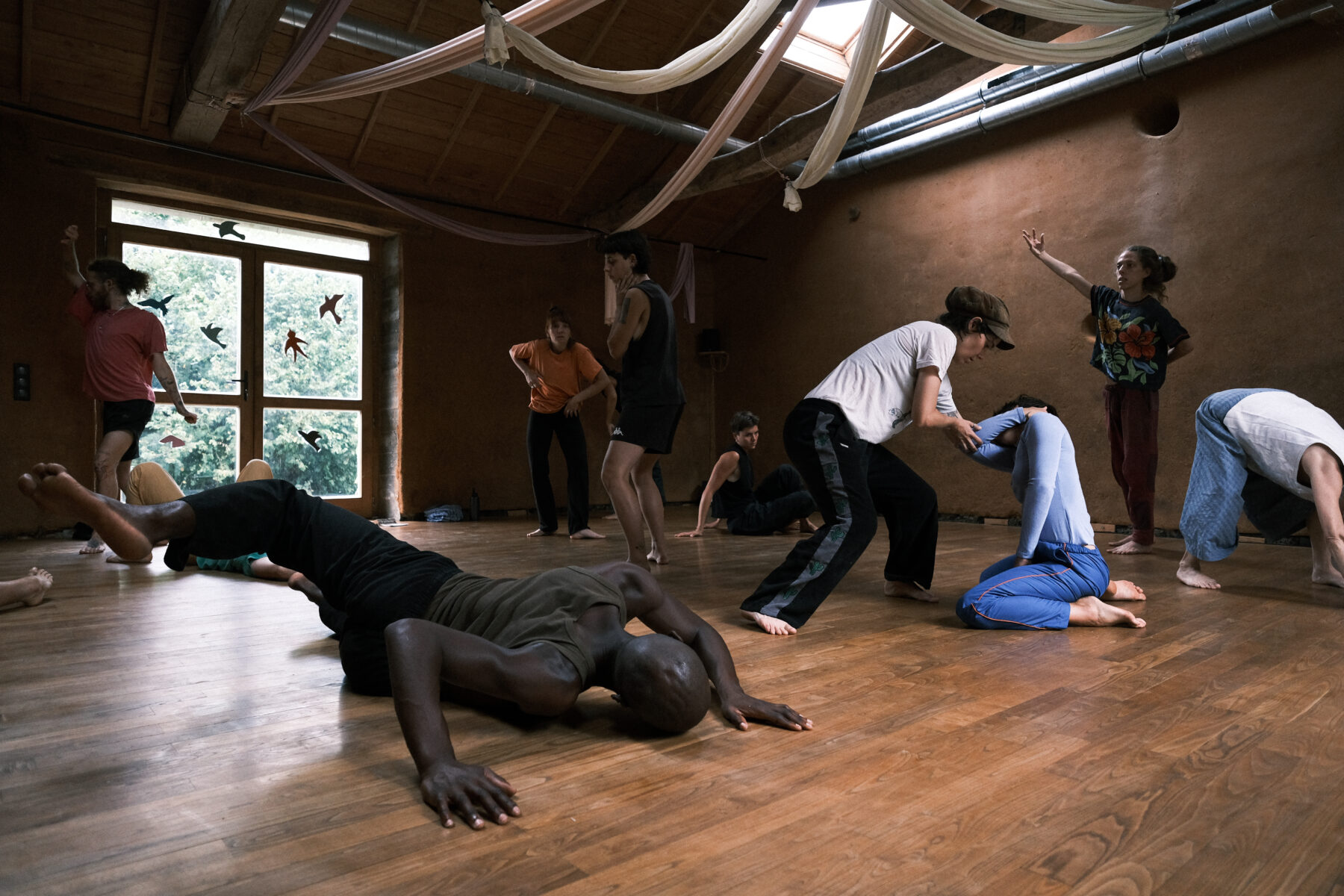
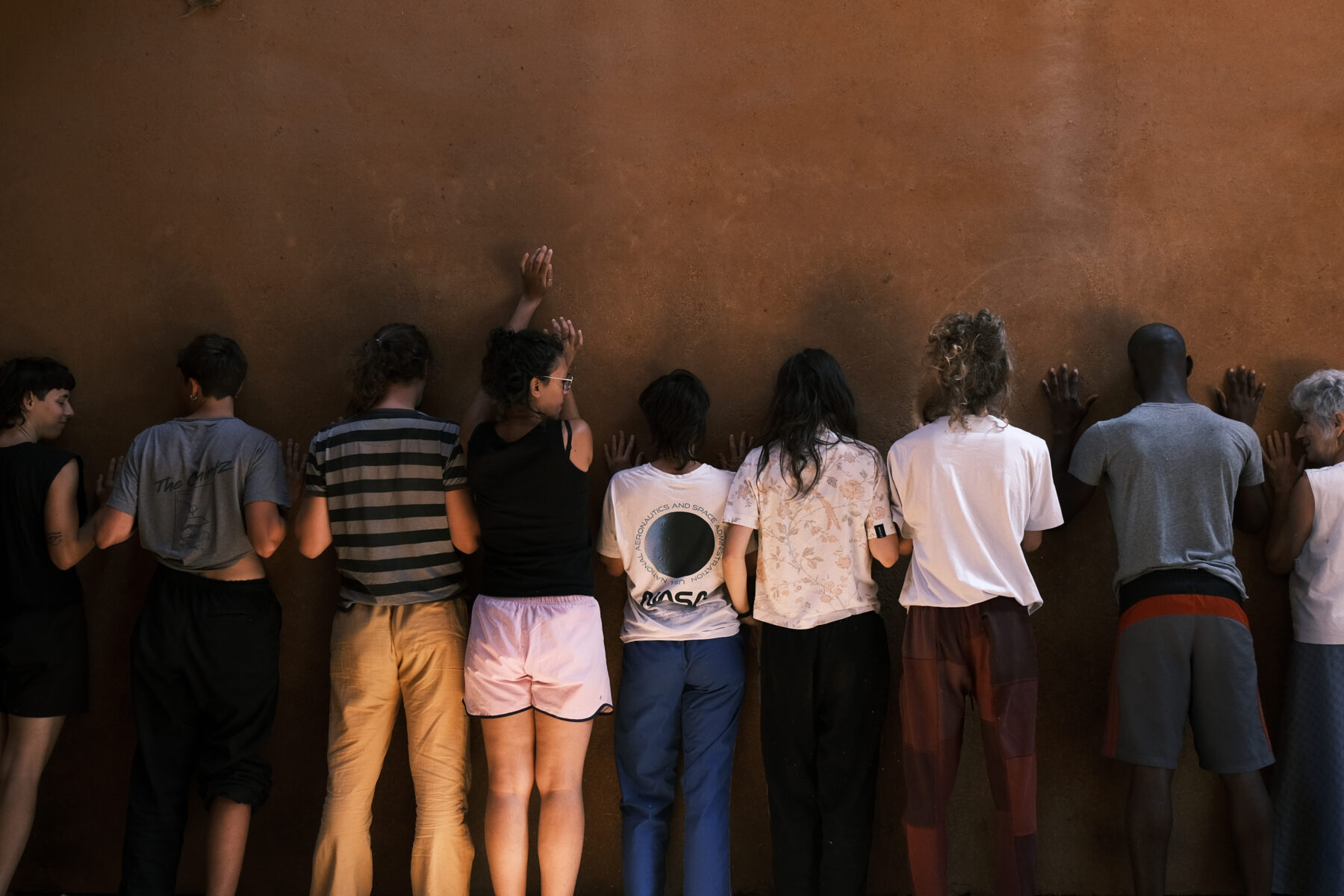
To respond to the depopulation of the world, we choose to repopulate our imaginations. In an openly political and ecological approach, we engage the body in a search for the right ways to connect with the disappearances and the precariousness of our time.
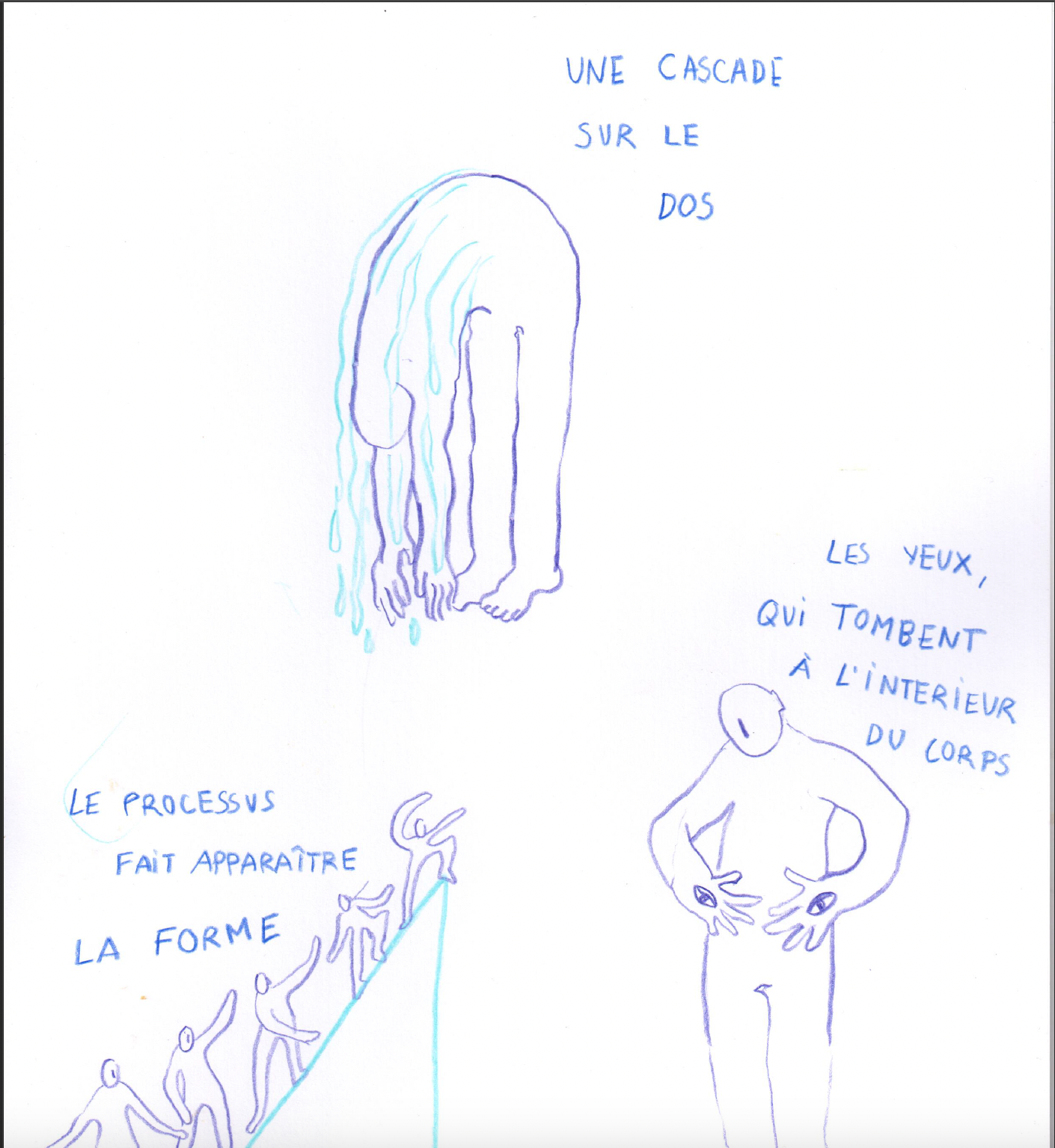
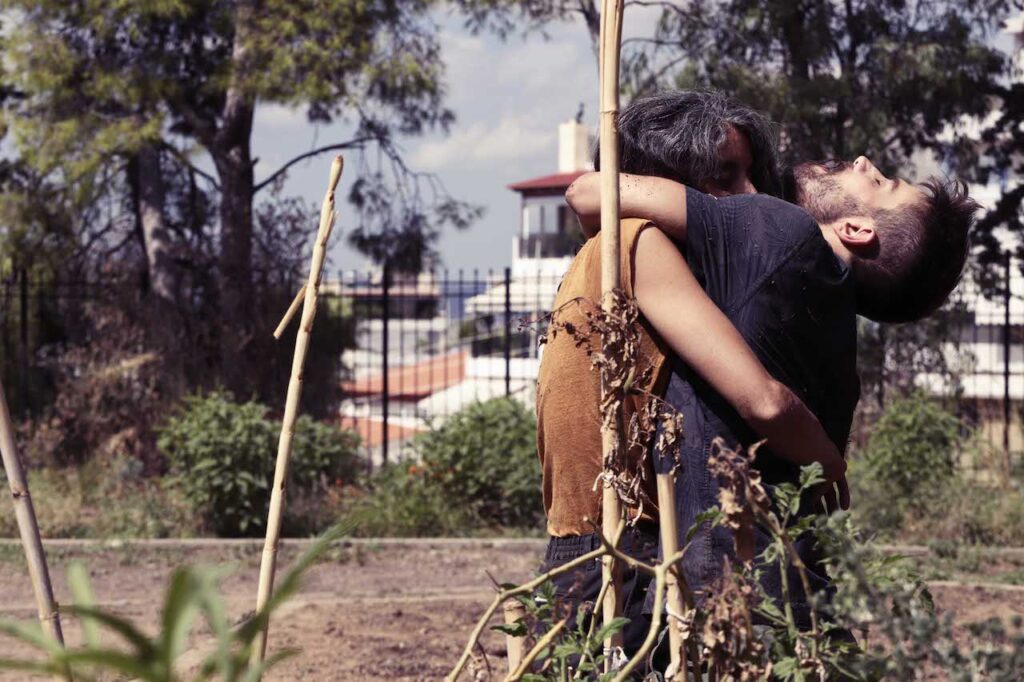
We use the art of movement to form a different relationship with words and concepts: to let the flesh read and listen, and to allow the organs to think. Through dance, we explore how the body can sense, question, and reimagine the oppressions and crises that shape our world. This is a pre-verbal poetry, an embodied affirmation of life; this is a dance with intimate generosity that questions our convictions in favor of a more-than-human ethic.
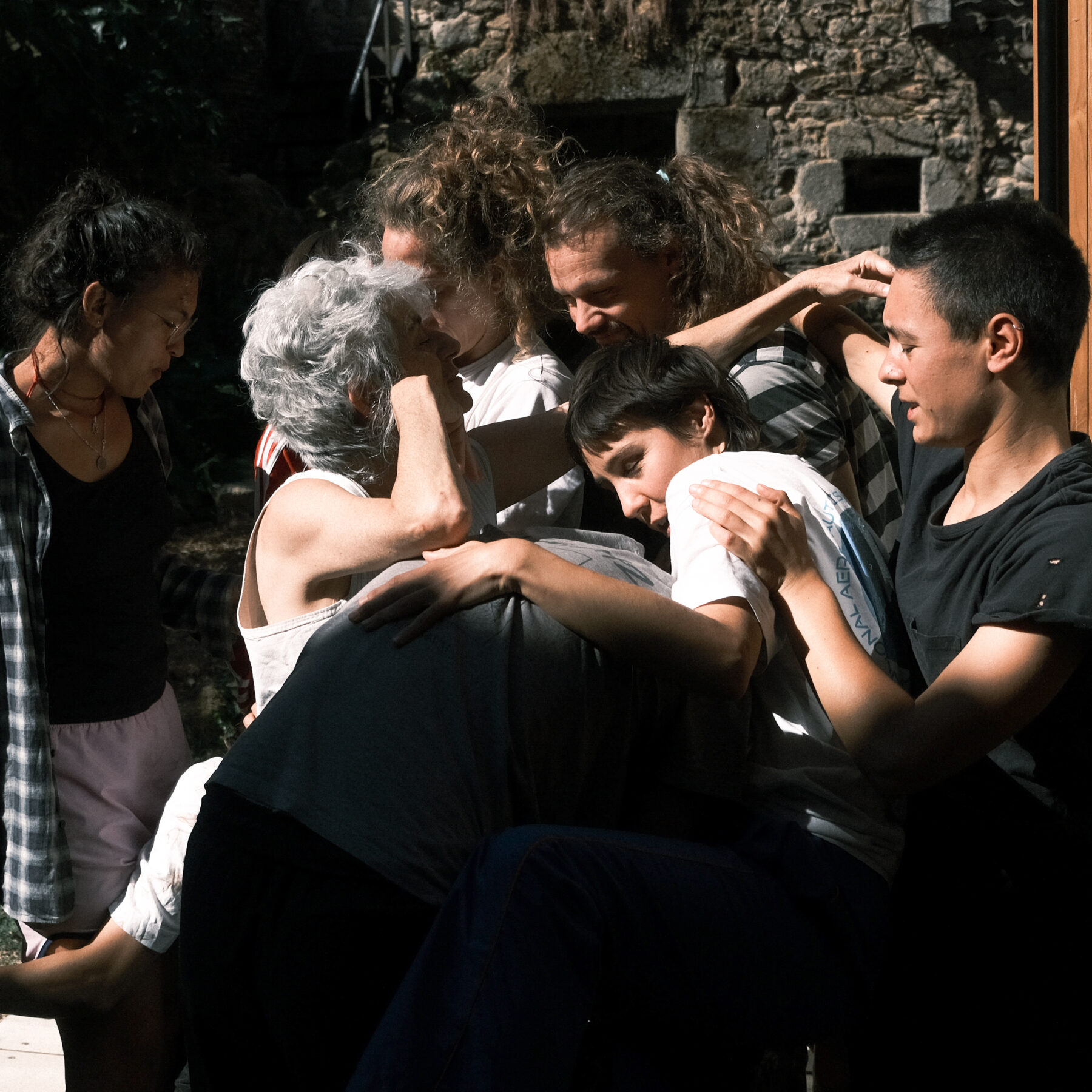
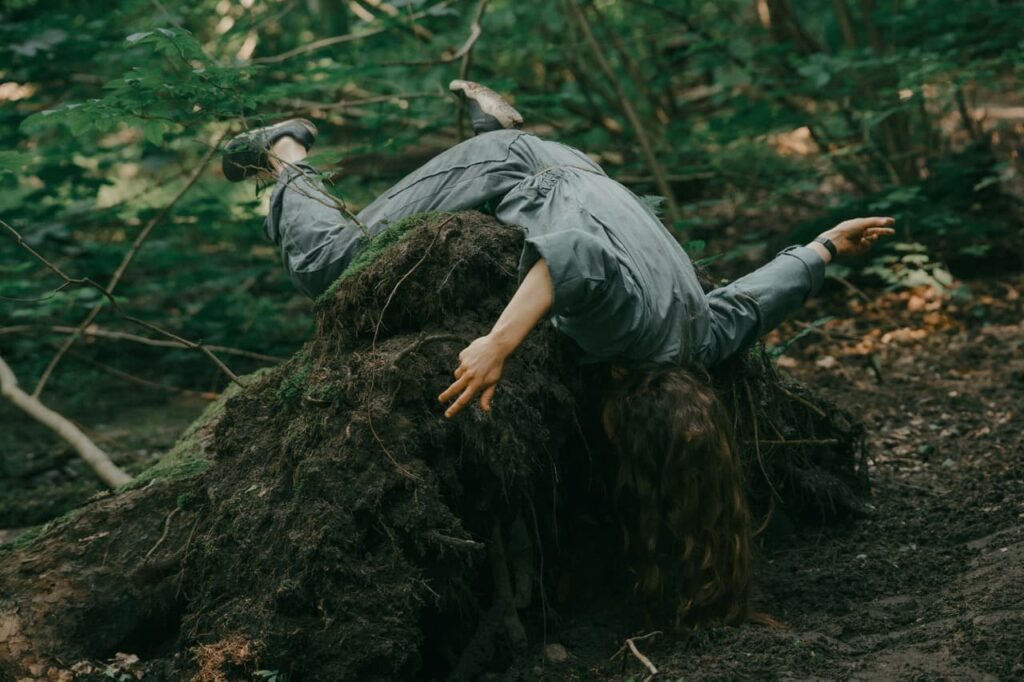
With tact and care, we extend our bodies toward other forms of presence: listening to what usually cannot speak and addressing those we might think do not hear—minerals, ancestors. The work is one of resonance and reciprocity, a continuous effort to listen, be affected, and transform through encounter.
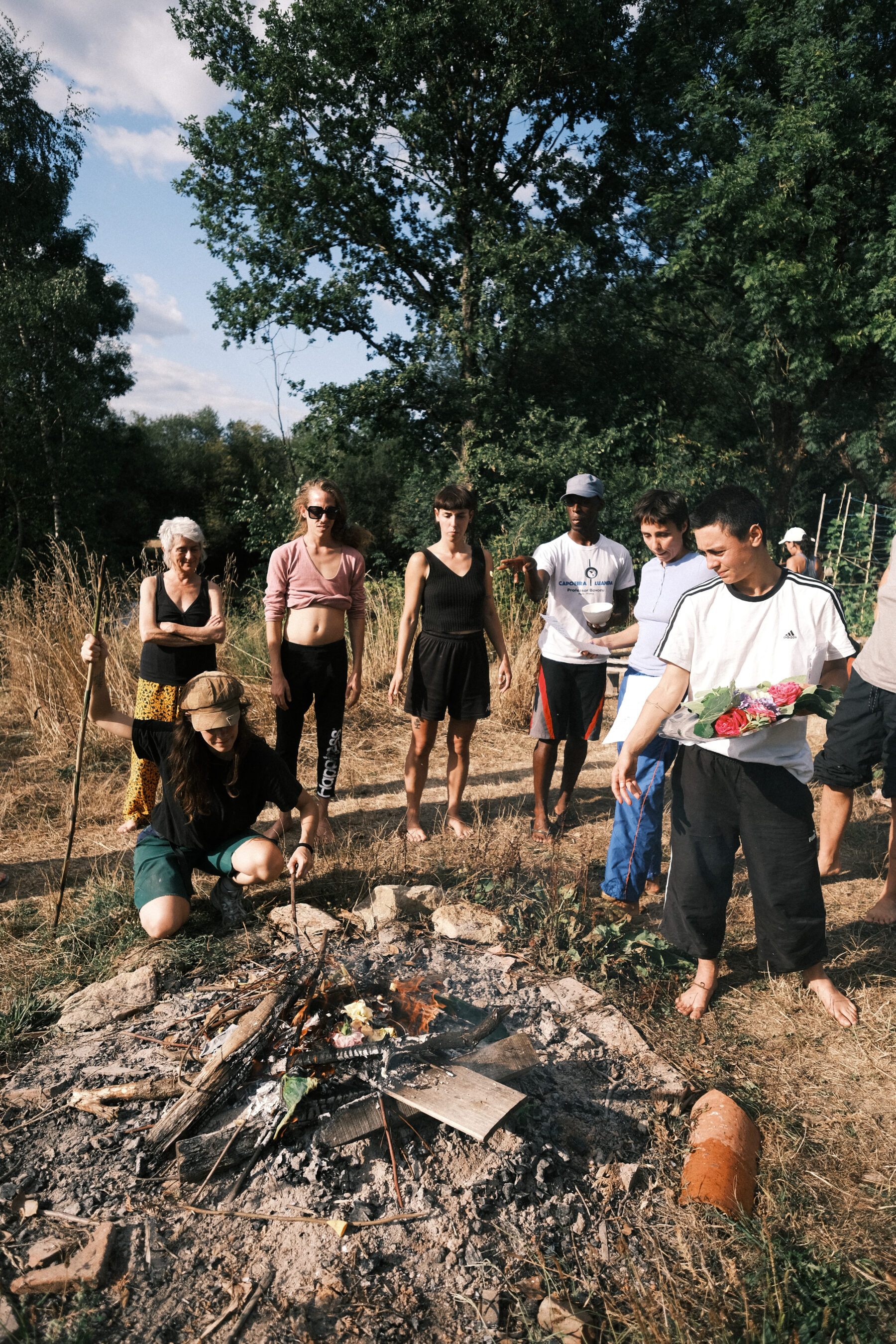
Drawing from Butoh, eco-somatic practices, anthropology, and poetry, we explore how imagination leads us in search of a conscious and creative sensibility. We play in the liminal zones of performance and ritual, opening extended scores that invite deeper reflection on how we relate to our environment and to the invisible dimensions of life.
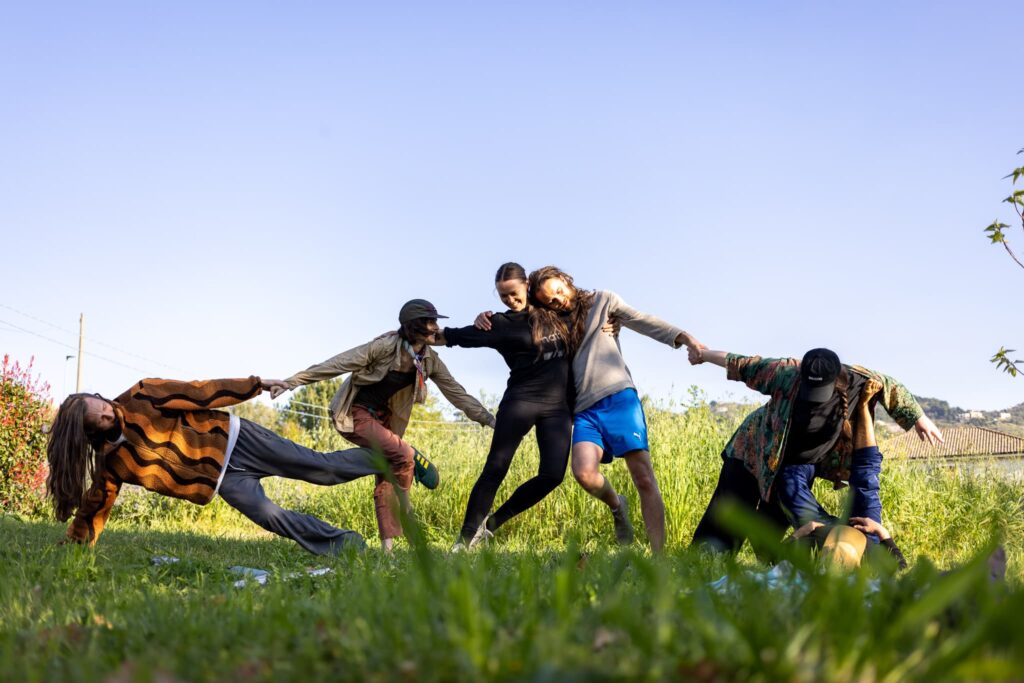
This practice invites participants to explore improvisation and composition as ways of reorganizing perception. Together, we move toward the unknown, forming temporary alliances between bodies, invisible entities, space, and time.
Dance becomes a political and poetic gesture—an act of attention and imagination that reclaims our capacity to feel. Improvisation calls for a political and irrational attempt to perceive and re-discuss our ecologies and affects.
◘
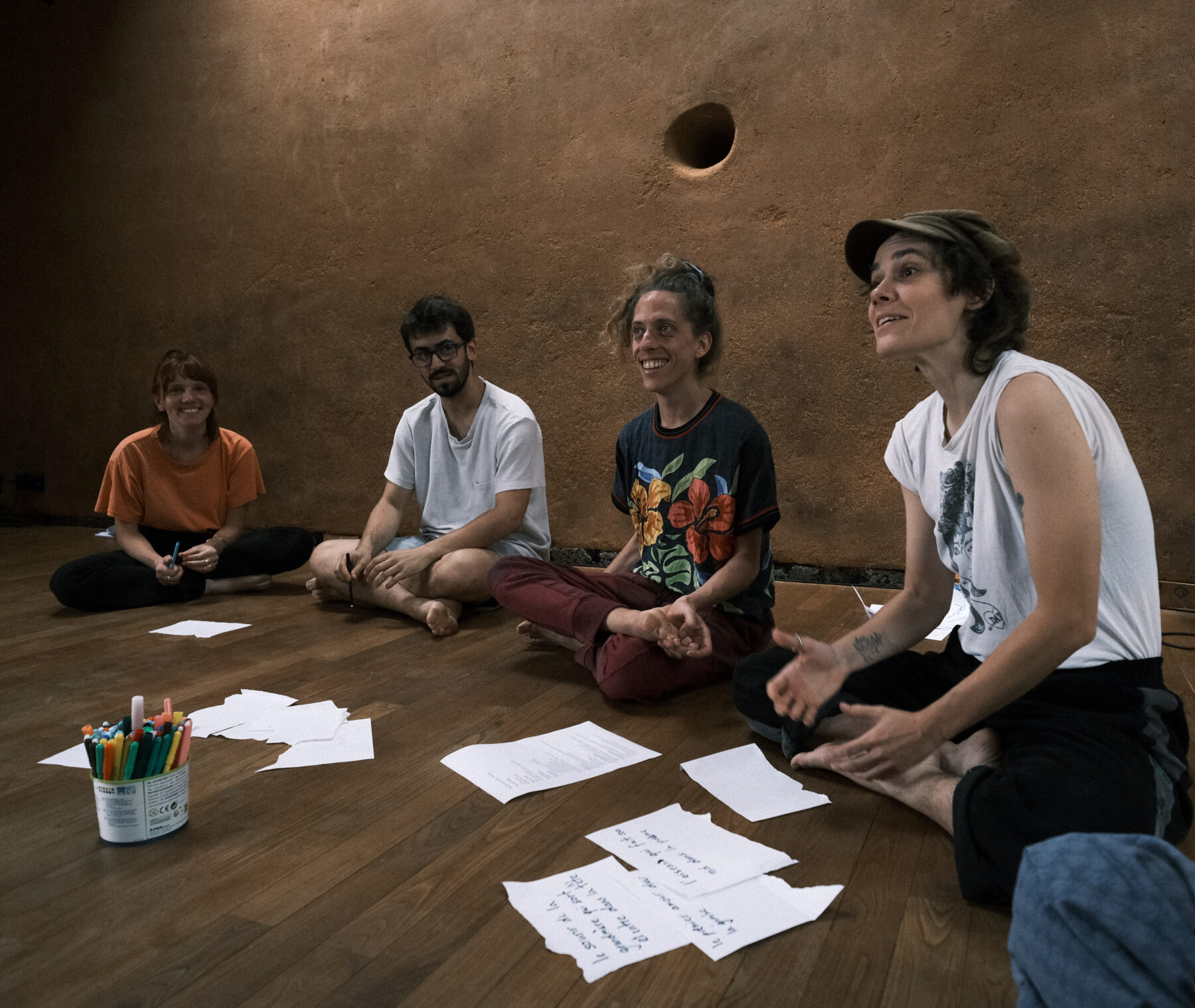
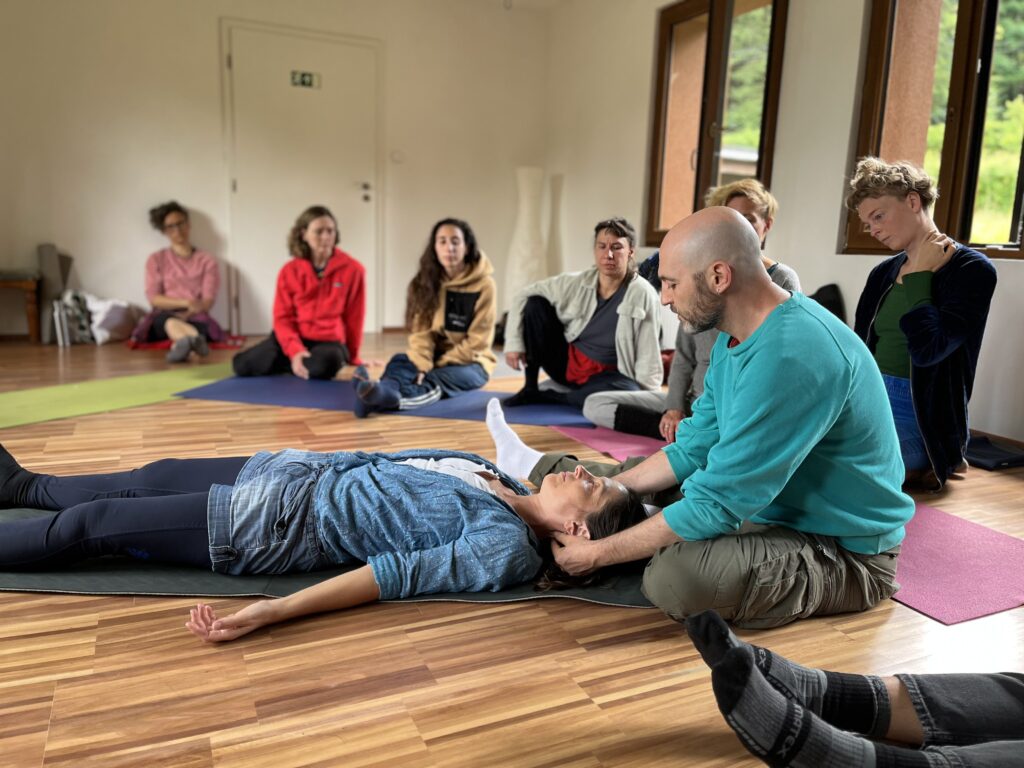
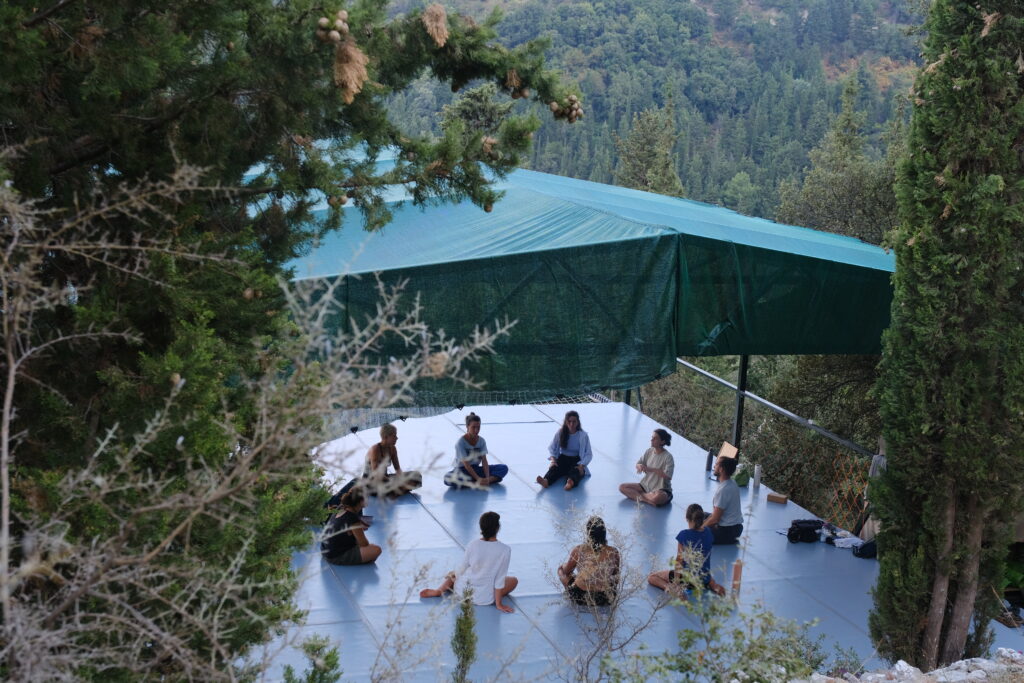
Through The Loss Lab, participants will explore how dance can serve as a tool for reflection, connection, and ecological awareness. The workshop offers an embodied learning process where movement becomes a way to think, sense, and imagine otherwise.
Participants will learn to engage with the precariousness of our time through somatic attention, improvisation, and collective inquiry. They will practice care and imagination as embodied skills, discovering how tenderness, presence, and curiosity can sustain creative and relational resilience.
By engaging with more-than-human perspectives, participants will develop sensitivity to interdependence and learn to navigate uncertainty through creative and affective tools. Rather than seeking fixed outcomes, The Loss Lab cultivates the ability to move with loss, transforming vulnerability into a source of connection, awareness, and artistic research.
◘
REVERSED DANCES is a collaboration of two artists, Franziska Gerth and Lily Pasquali, blending dance and philosophy to respond to today’s crises. Their practice distorts norms, surfaces hidden emotions, and challenges boundaries of space and time. Rooted in care and radical tenderness, they explore socio-ecological issues to open paths for new sensitivities. Combining ecological and political awareness, they use movement and improvisation to nurture compassion, solidarity, and connection beyond human limits.
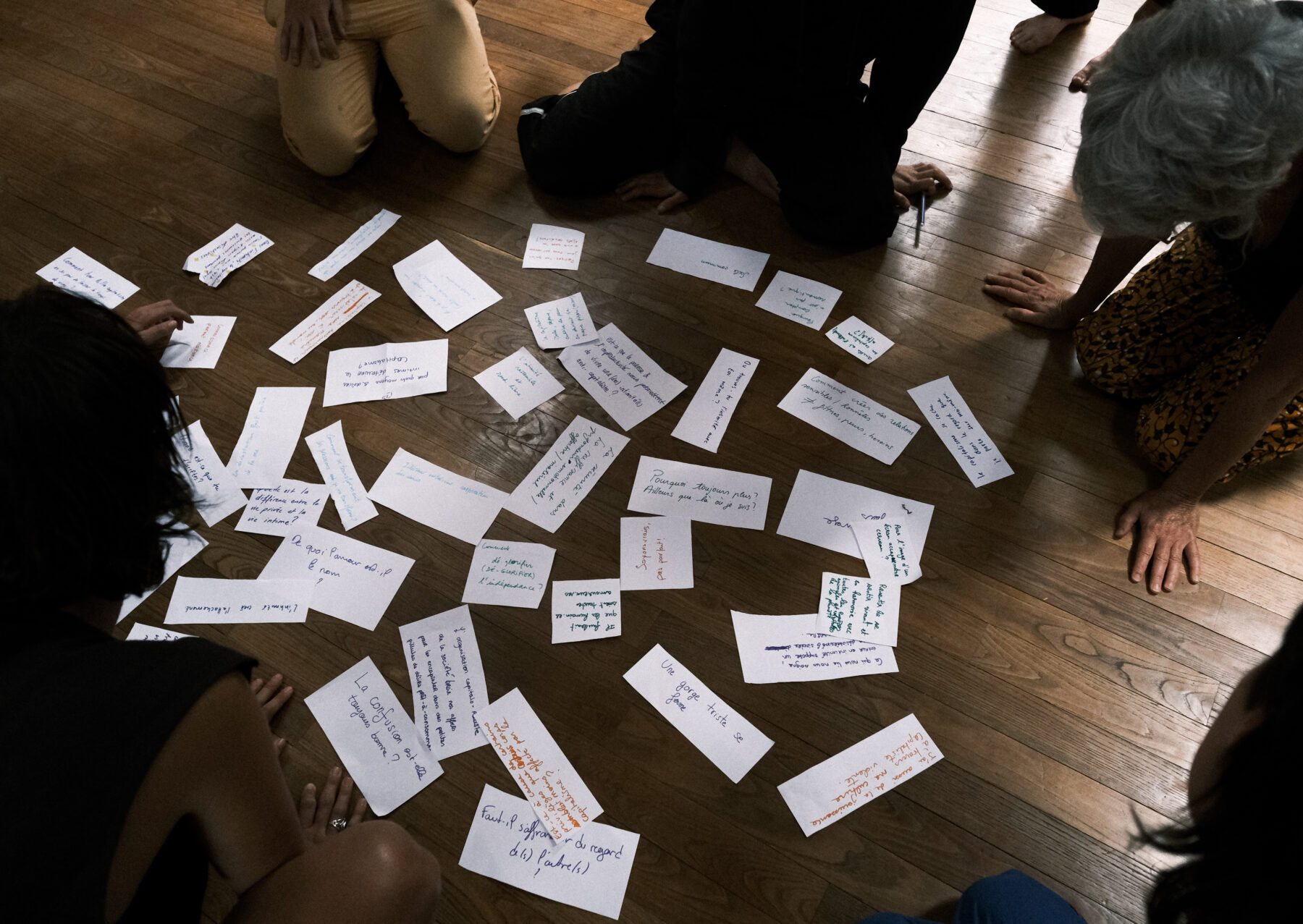
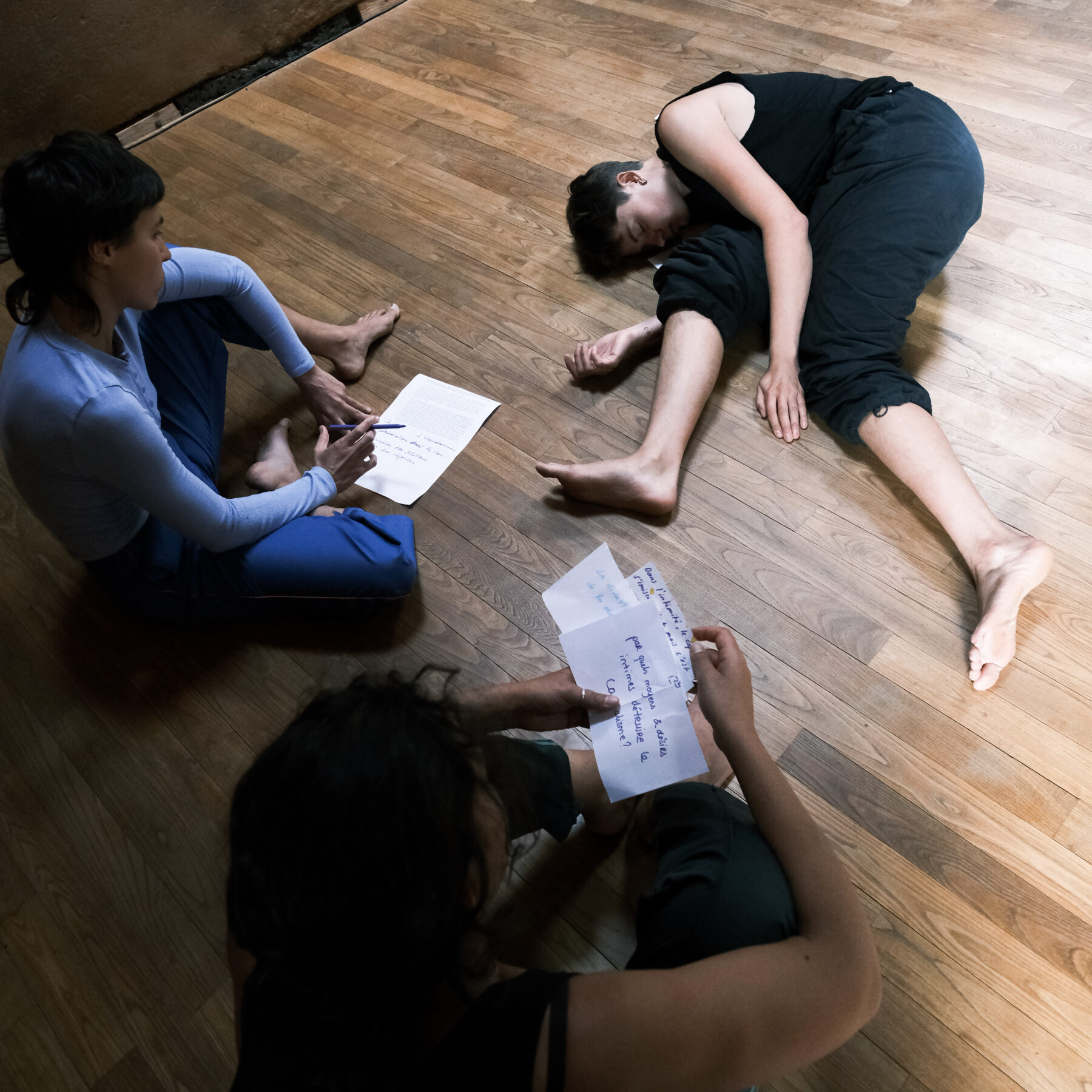
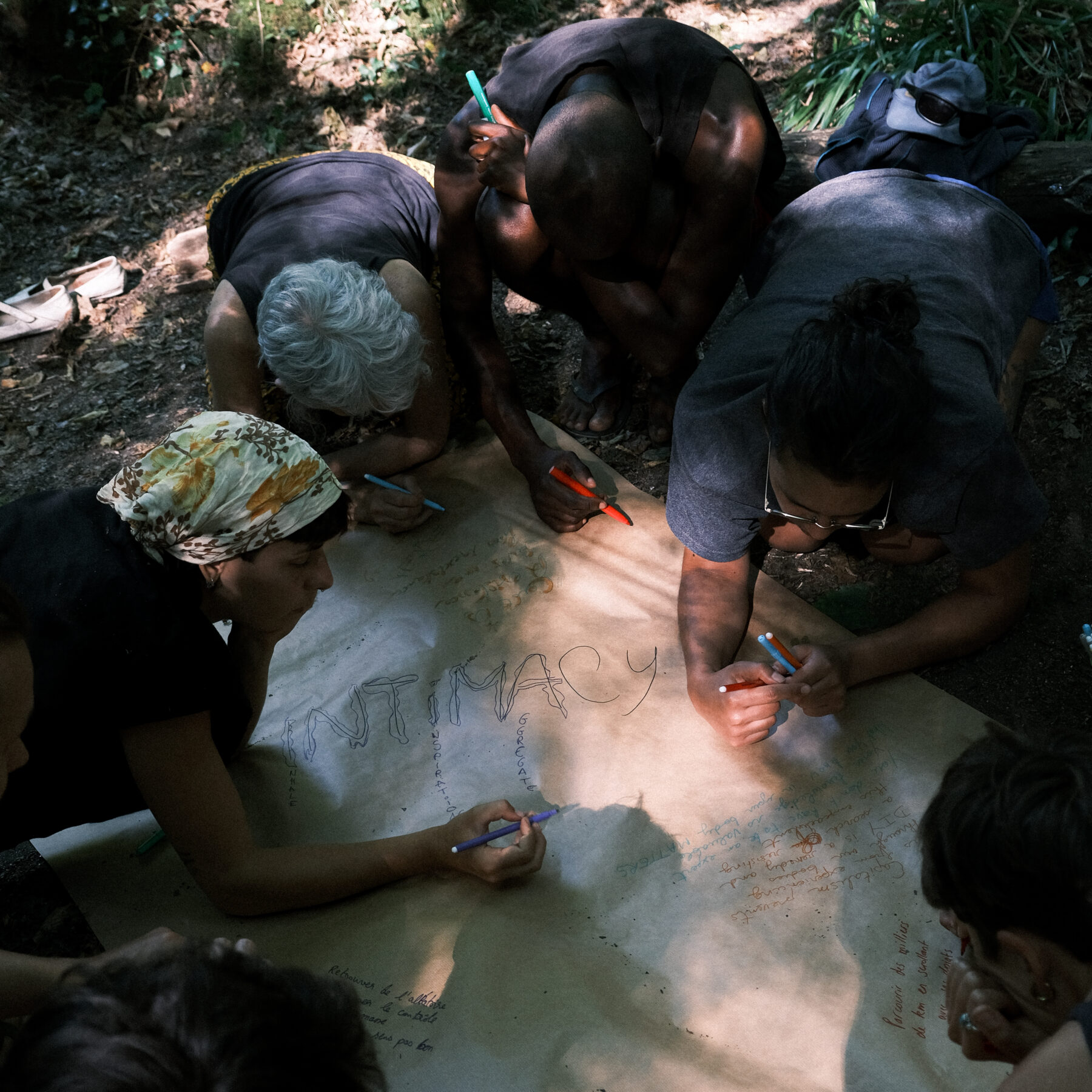
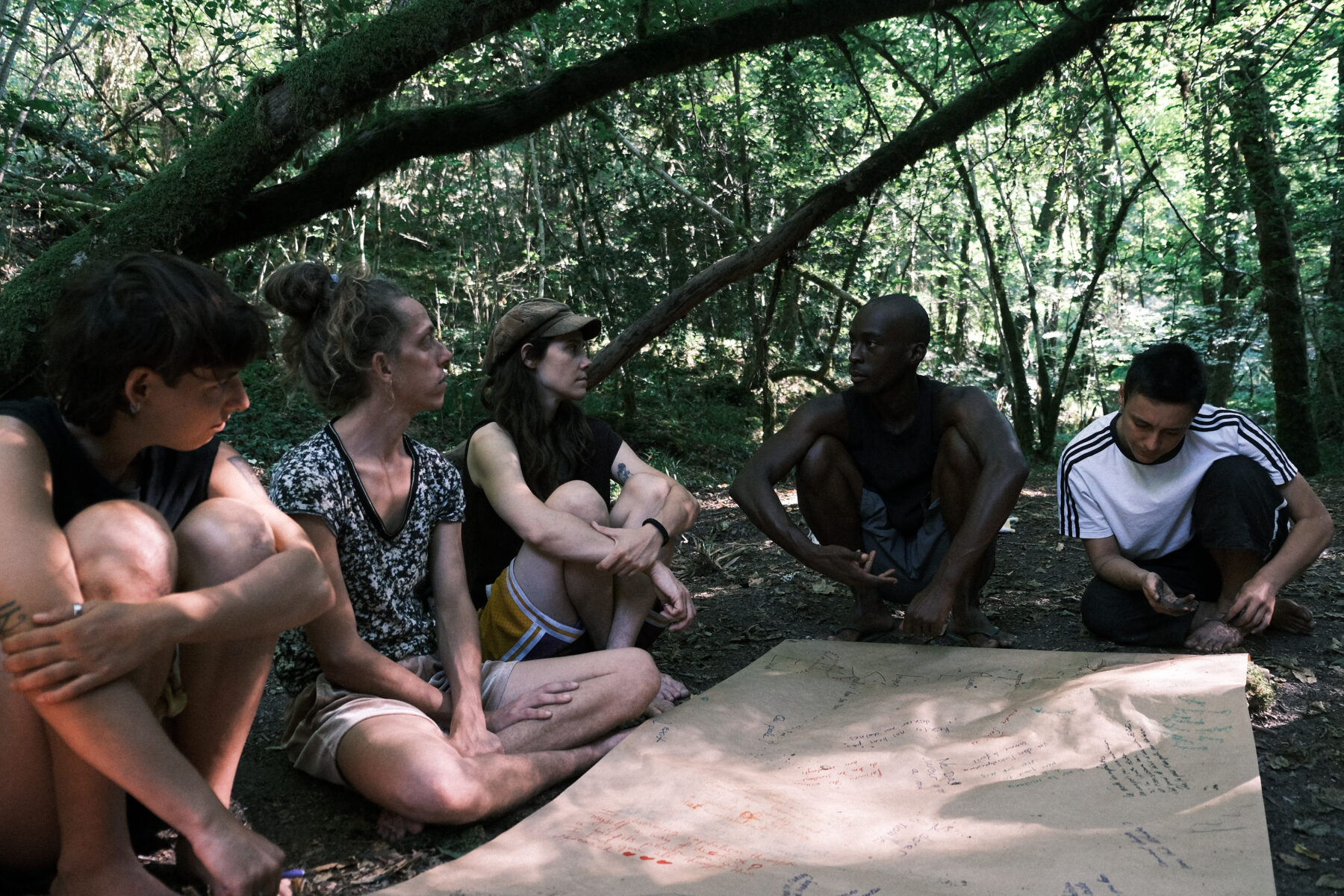
They offer a socio-poetic methodology that blends eco-somatic practices, dance improvisation, consent work, meditation, imagination work, rituals, philosophical reflection, and collective inquiry. Through this interdisciplinary lens, they approach embodied practice as a living inquiry — a way of listening, sensing, and transforming together. Movement becomes a medium for sensing the world otherwise, where care, uncertainty, and imagination open new possibilities for being in relation.